Cookie Consent
By clicking “Accept”, you agree to the storing of cookies on your device to enhance site navigation, analyze site usage, and assist in our marketing efforts. View our Privacy Policy for more information.
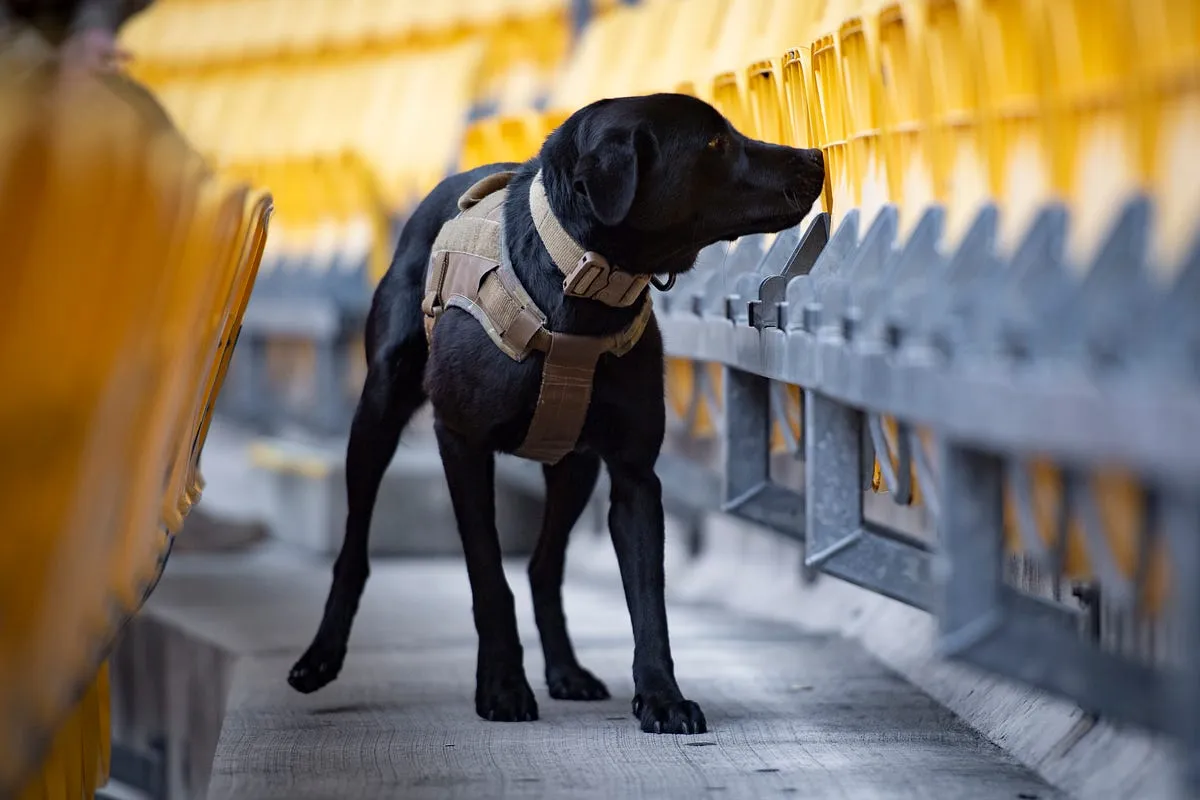

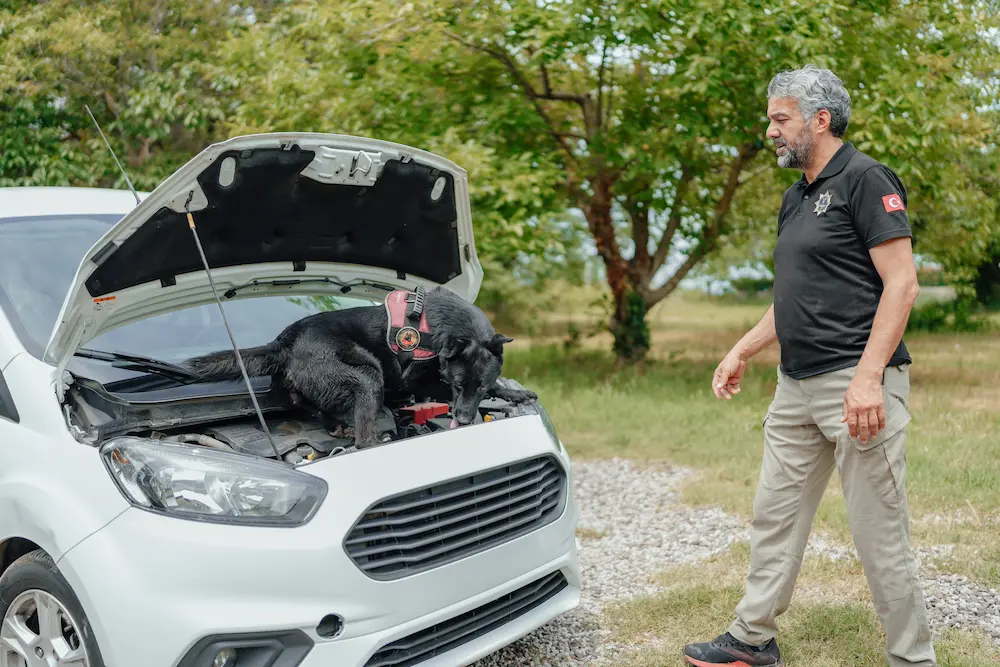
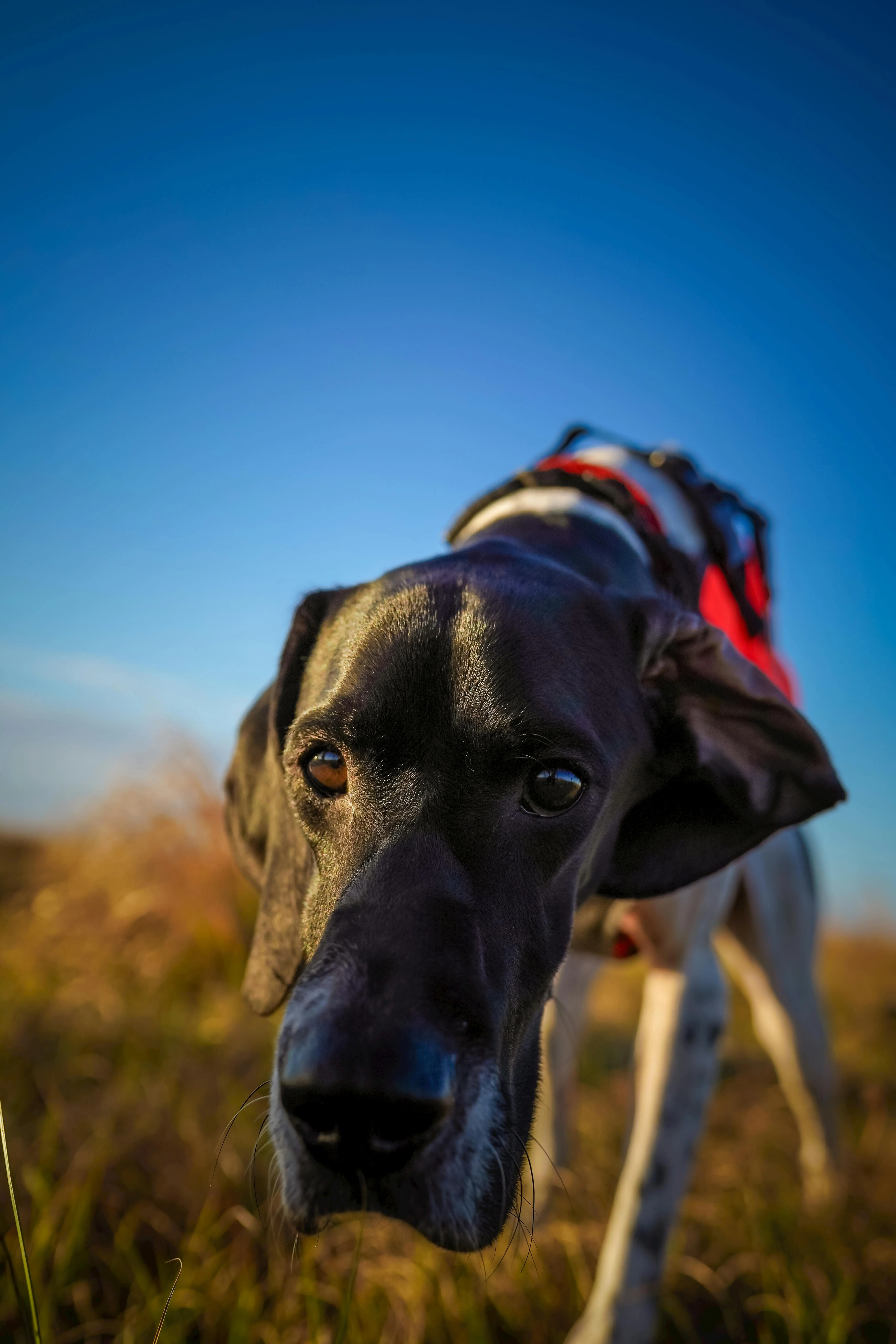
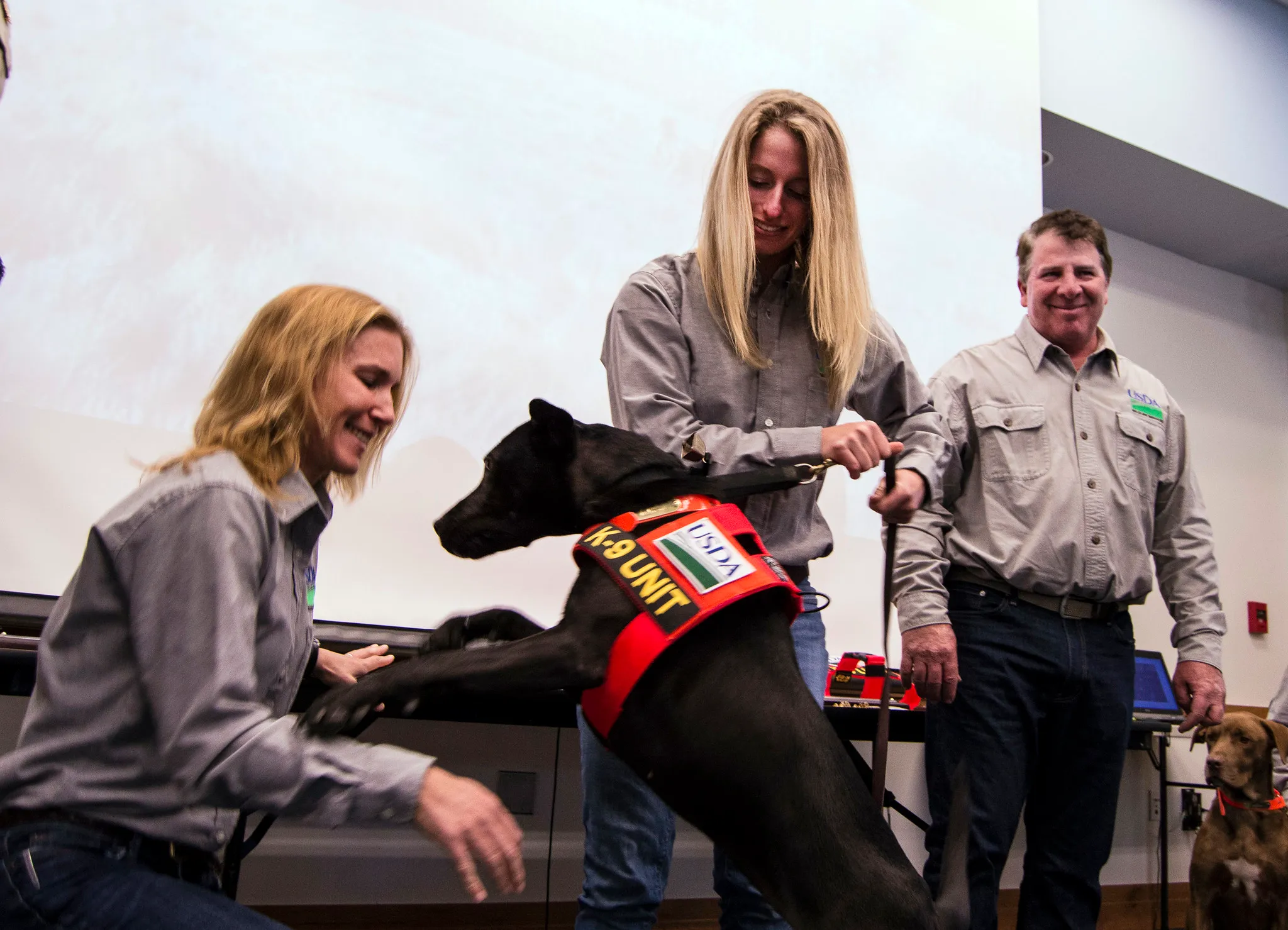
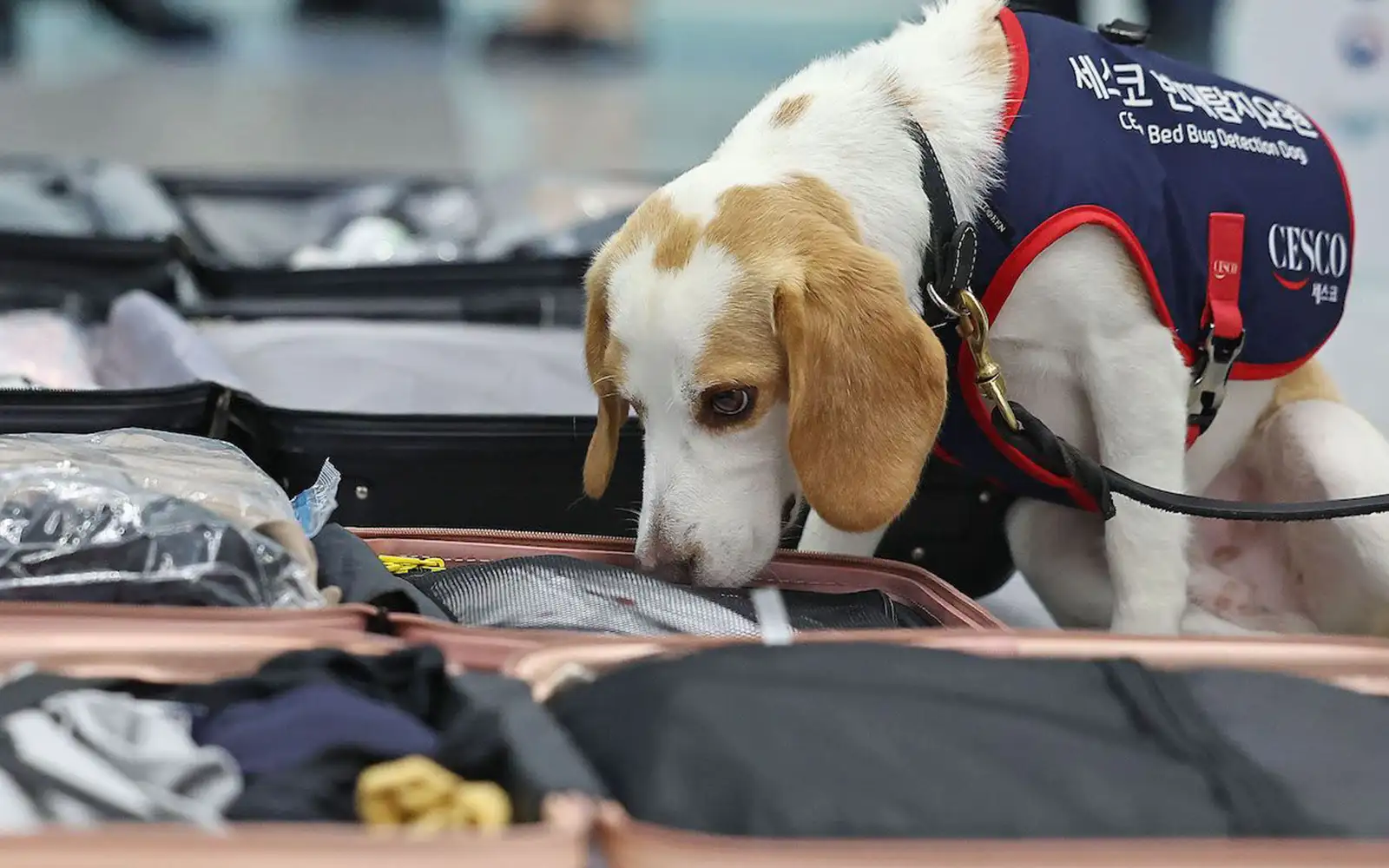
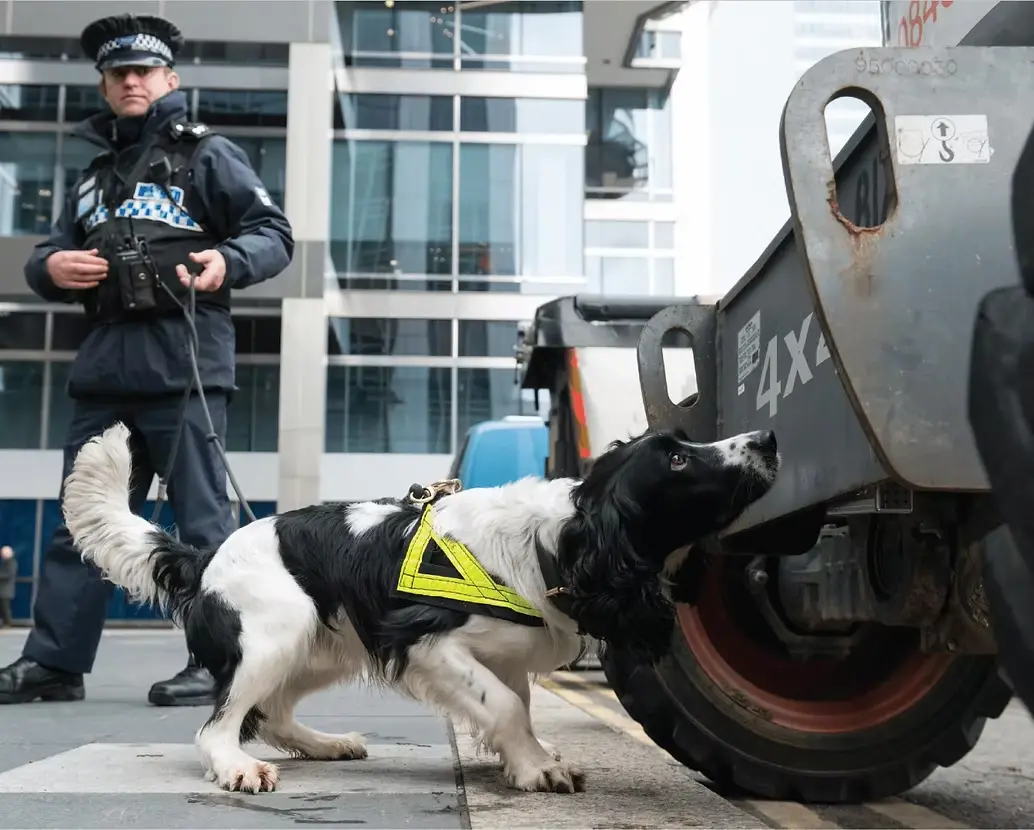
Log odor category, hide placement, environment type, indication behavior, and time-to-find. Drilldown Insights compare false alert rates across environments and odor concentrations so you see exactly where reliability breaks down


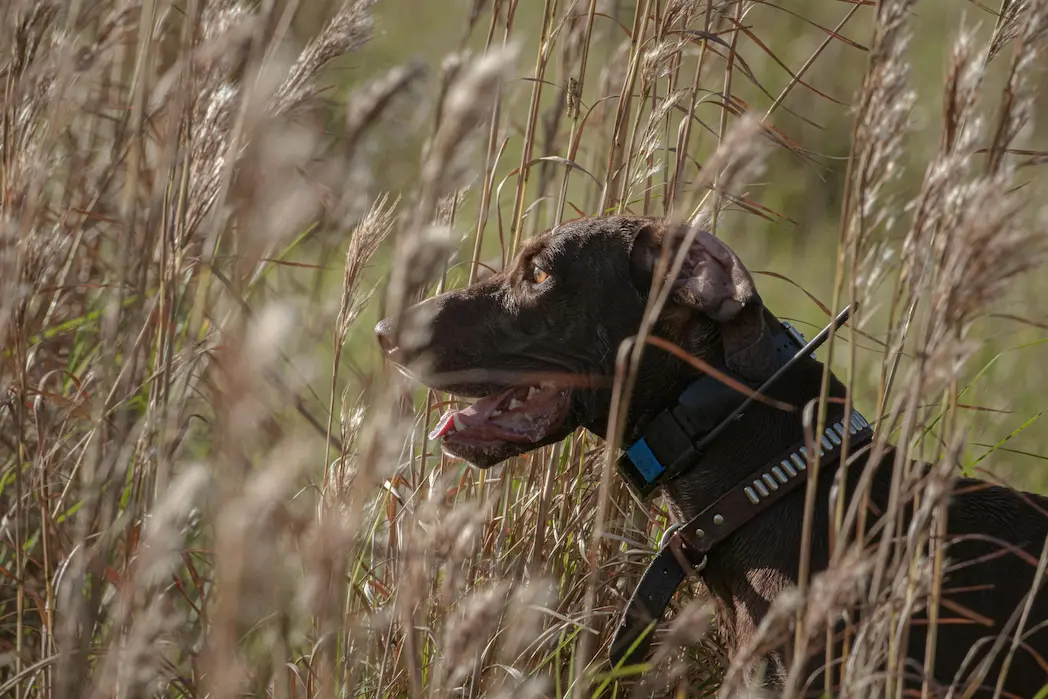
Log species-specific odor, field environment, transect data, and indication quality per session. Export filtered reports by dog, handler, or date range formatted for research partners, grant applications, and program reviews.
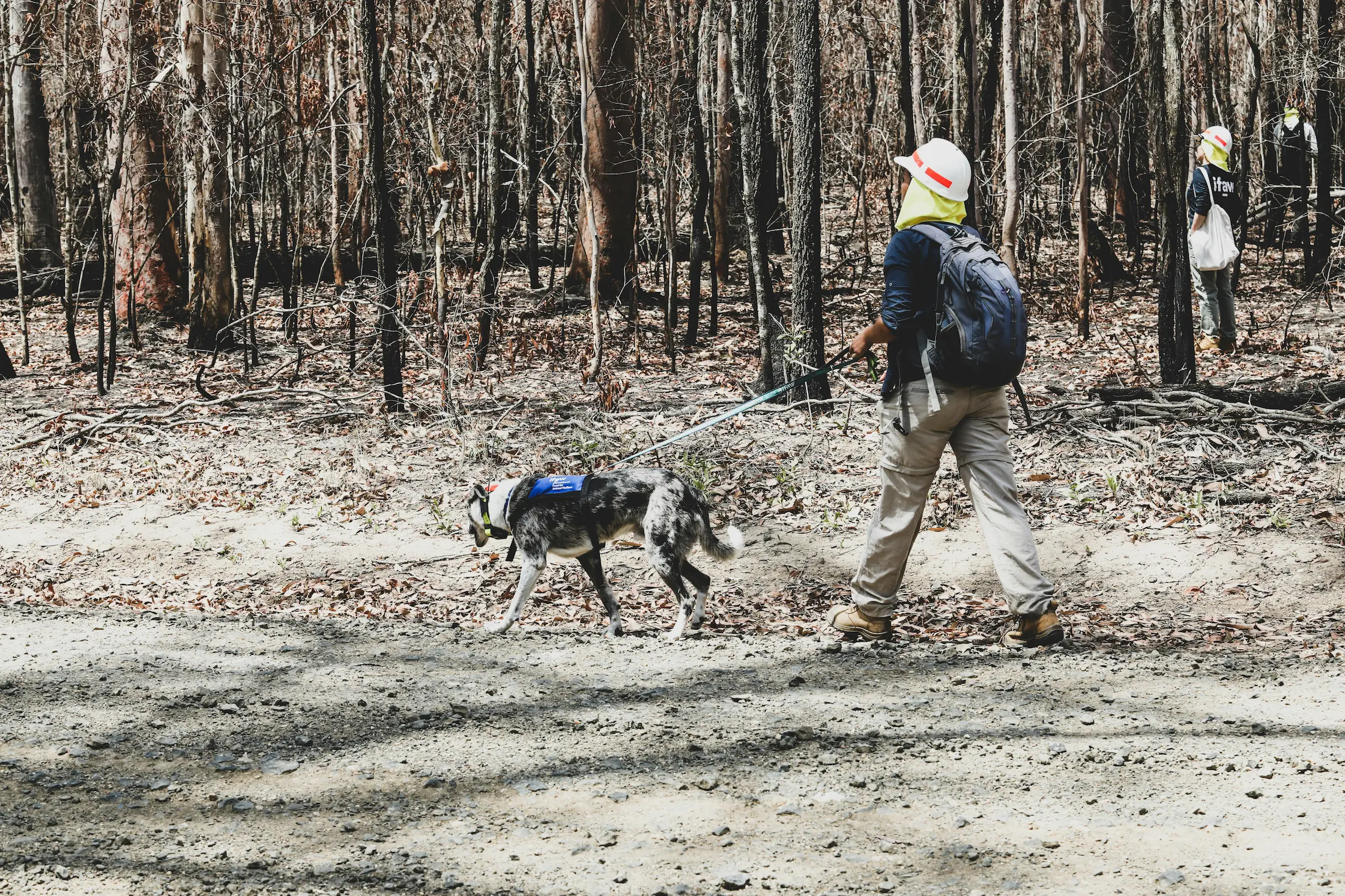
Log pest type, inspection zone, environment conditions, and detection outcome per session. Insights Compare shows detection rates side-by-side across facilities, seasons, and dogs so you know which teams to deploy where.
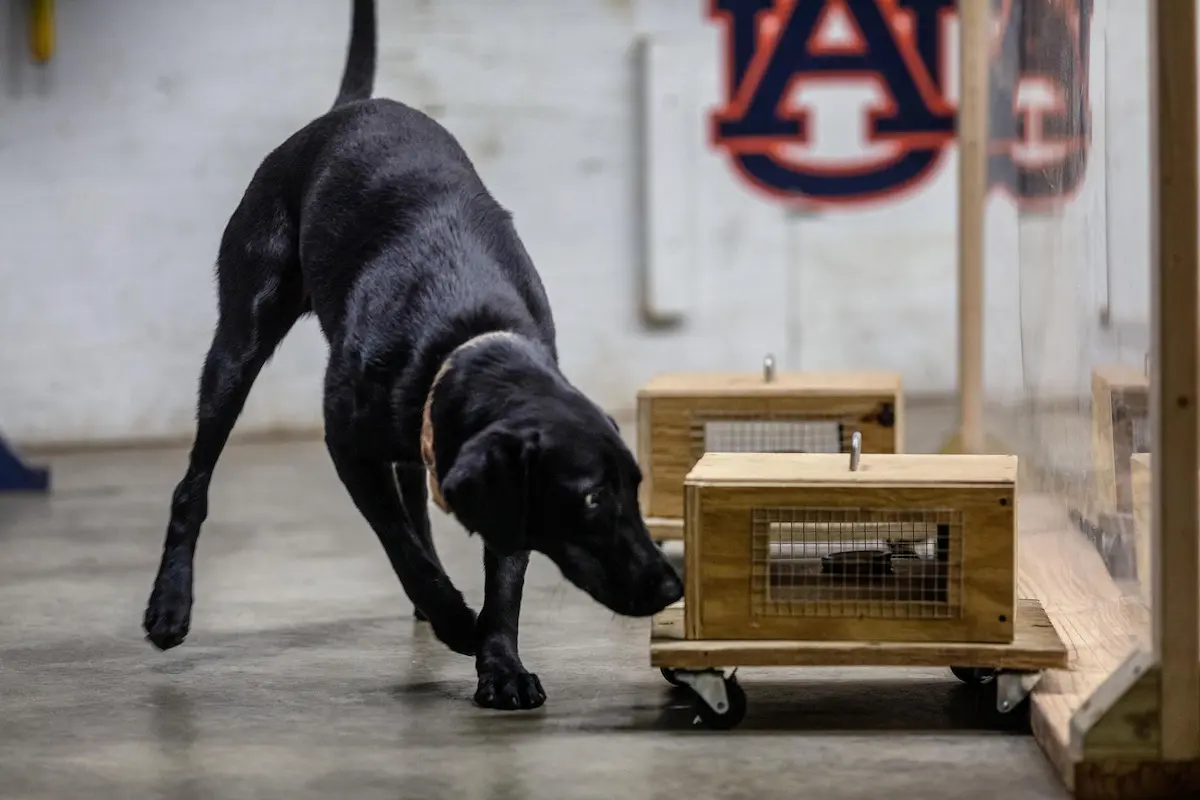
Log sample type, concentration level, indication behavior, and blind/known sample ratio. Health Center tracks medications, vet visits, and conditioning alongside detection data because health shifts affect sensitivity before anyone notices.
Log accelerant type, environment conditions, indication behavior, and scene context per session. Certification dates, evaluations, and recertification schedules stored directly on the dog's profile always audit-ready.
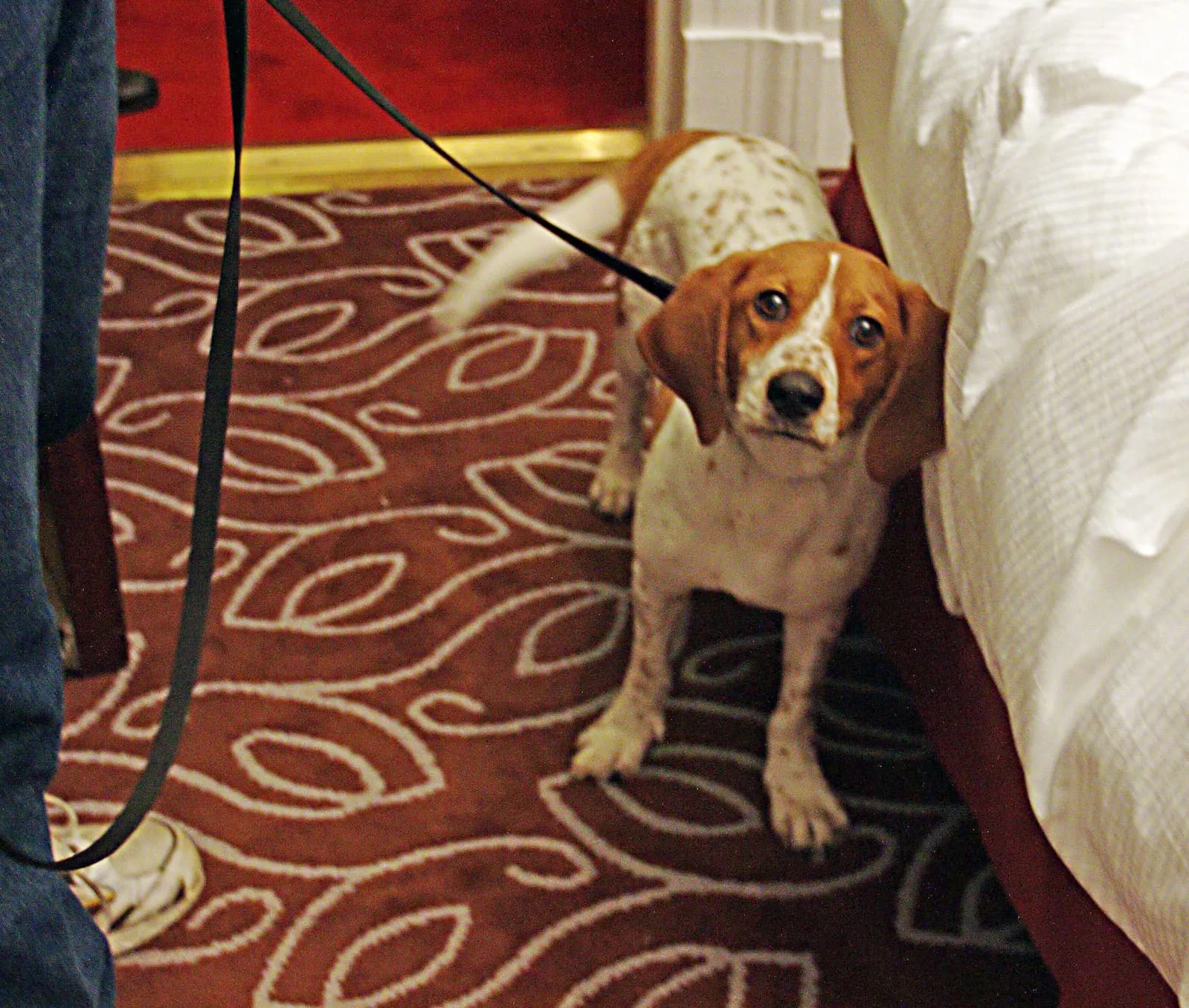
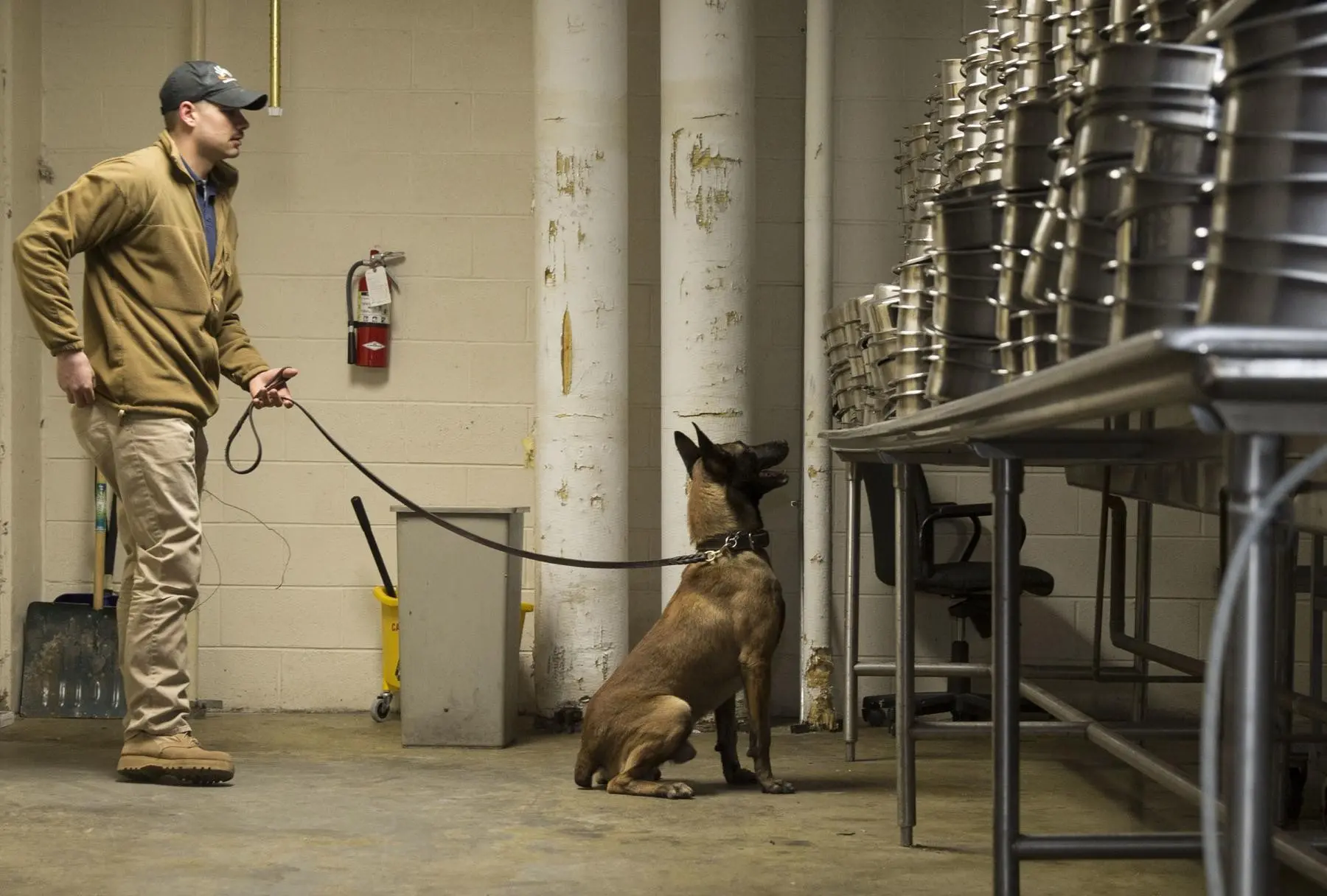
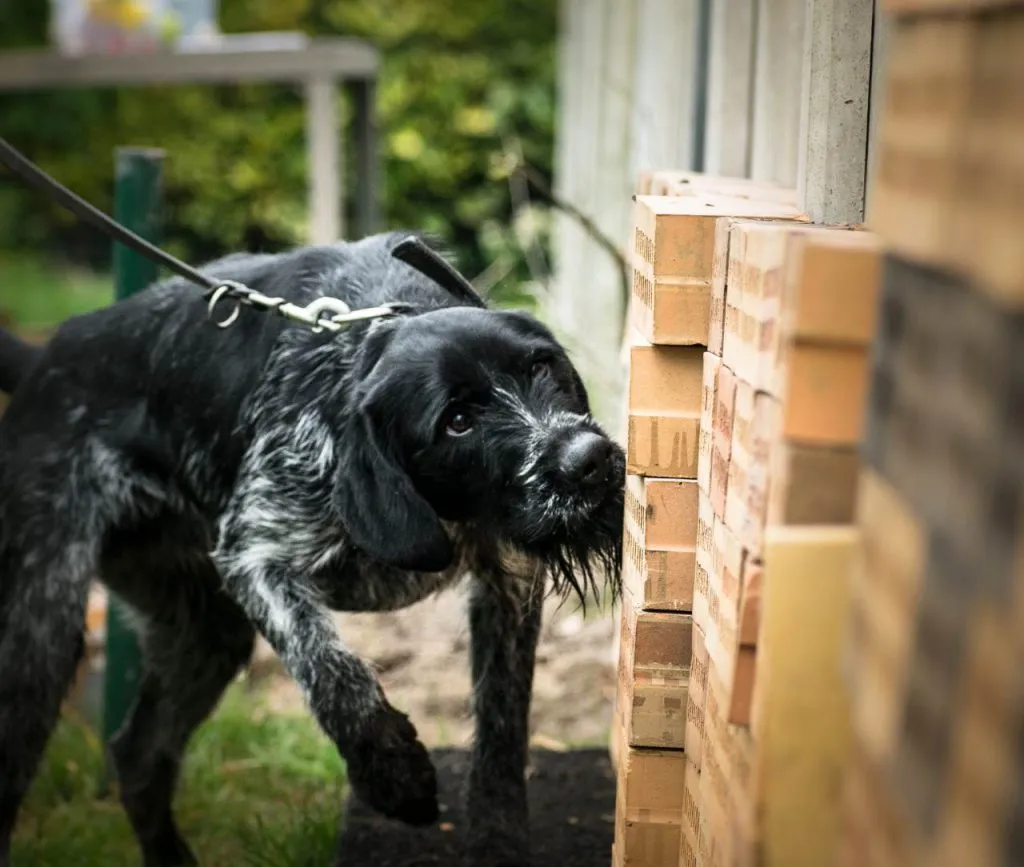
Log property type, inspection zone, detection outcome, and indication quality per session. AI Training Summaries turn session data into plain-language performance documentation that is always ready for client reports and certification bodies.
Detection dogs don't fail randomly. They fail in predictable patterns; specific environments, specific odor concentrations, specific handler behaviors, specific distraction conditions. When a dog false-alerts, the question isn't just 'what happened?' It's 'has this happened before, and when?' Without a structured training record, that question is almost impossible to answer accurately. DogBase logs every session the same way, same fields, same structure, every time, so the pattern data builds consistently across every handler and every training location. When a false alert occurs, the history is there. When certification approaches, the evidence is there. When a new handler takes over the dog, the complete record is there. Detection reliability isn't built in one session. It's built in the data across hundreds of them.
Detection reliability is built in hundreds of sessions. DogBase makes sure every one of them counts. Almog Koren, Founder & SAR K9 Handler
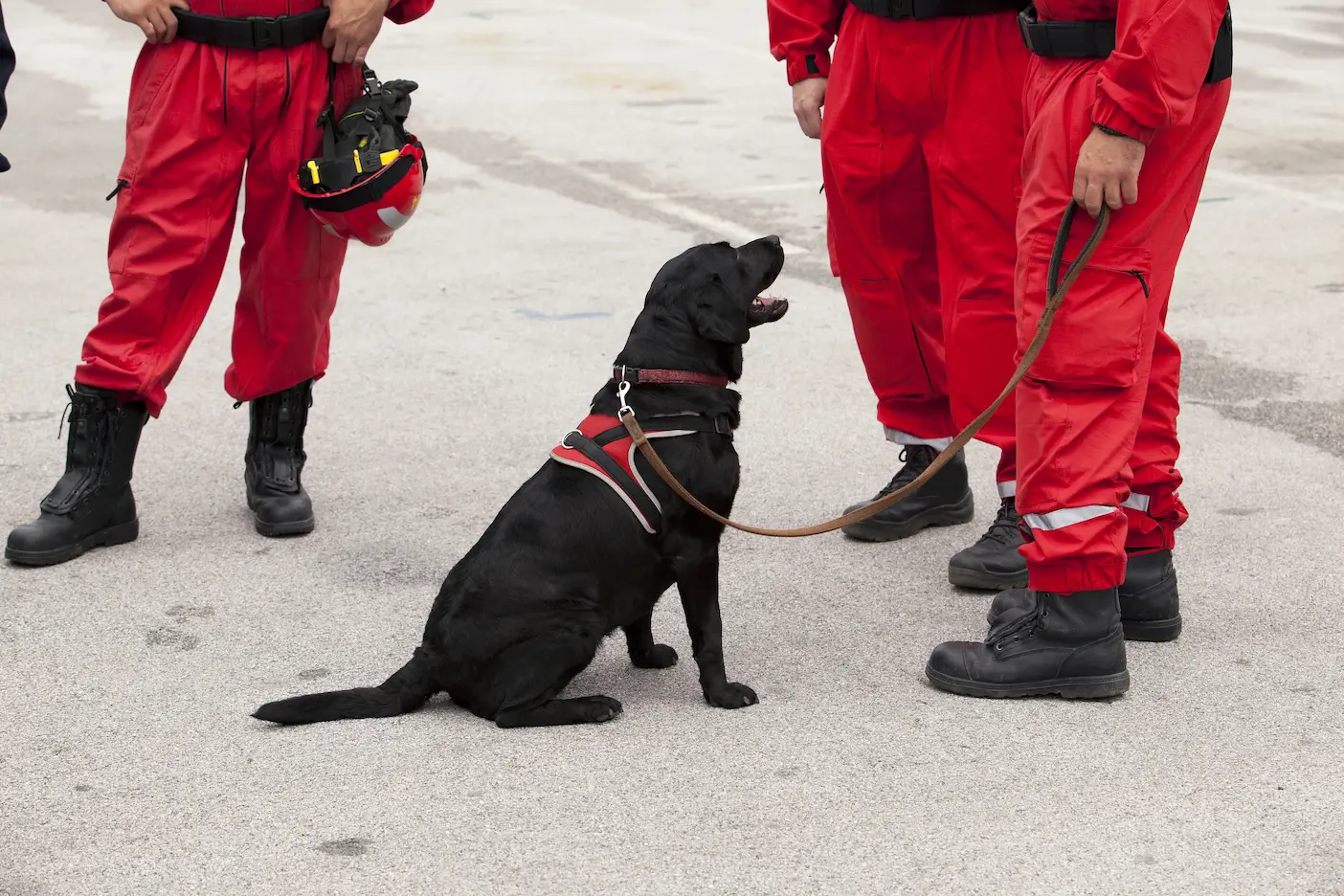
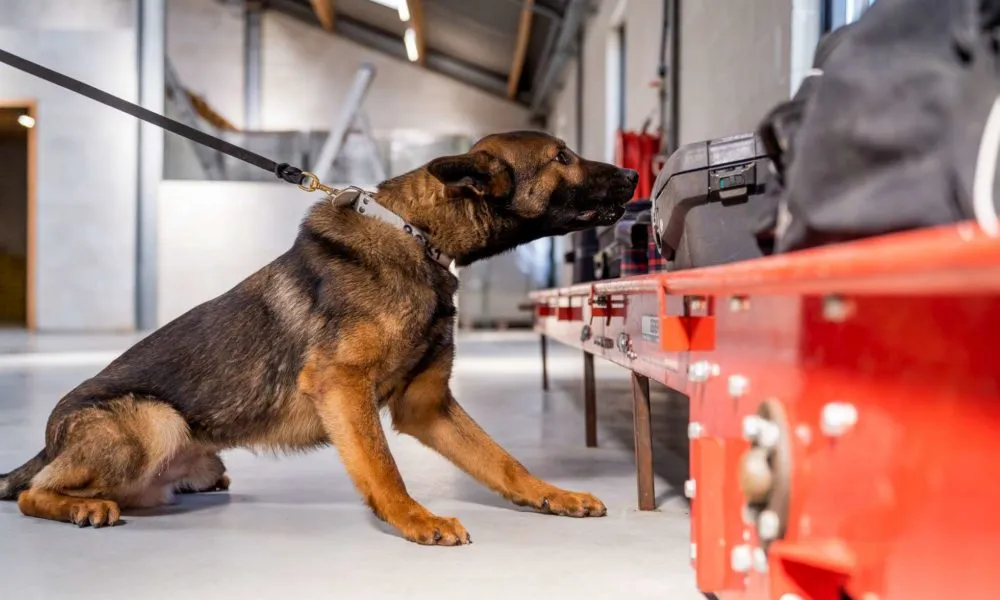
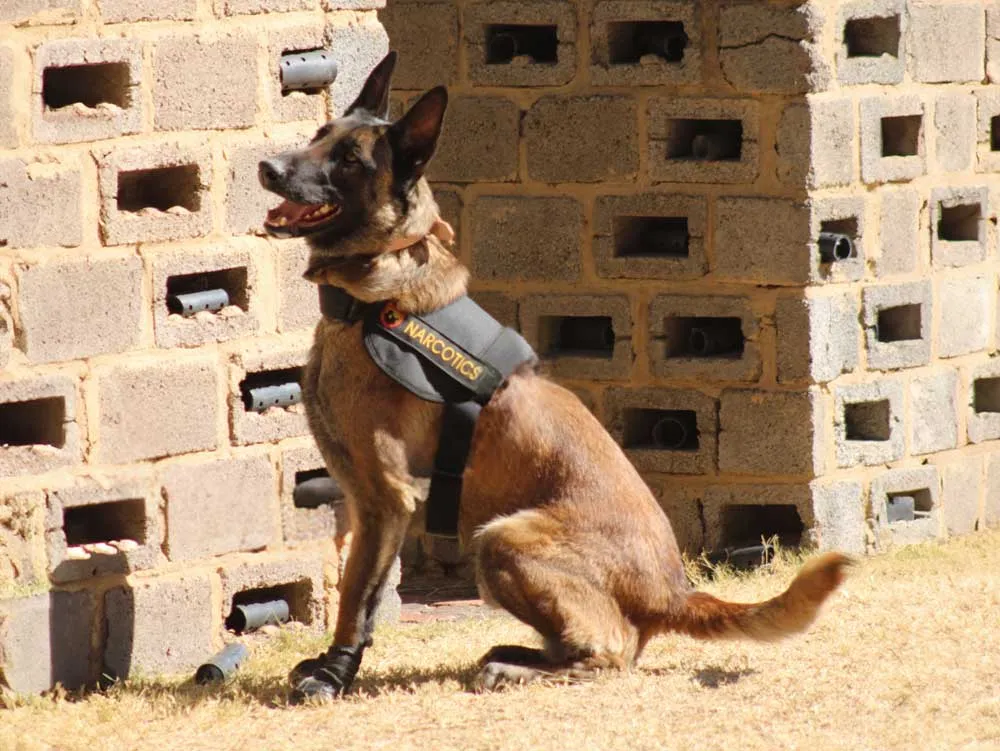
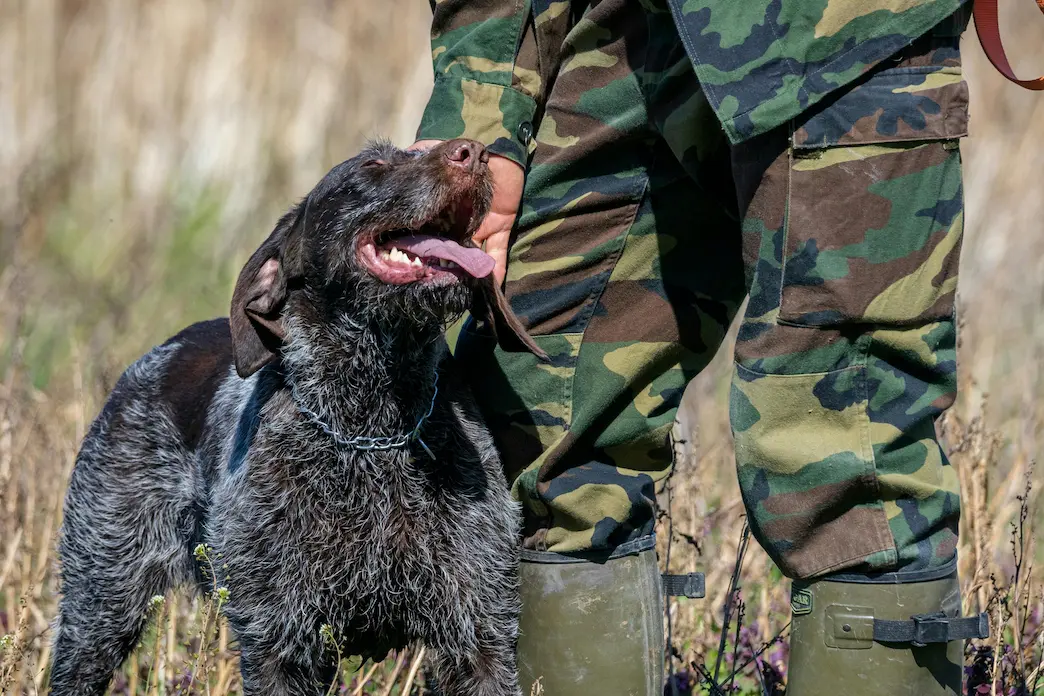
Define your own training types with fields that match your methodology. Narcotics teams log odor categories and blank run performance. Conservation teams log target species and transect data. Bed bug teams log room type and client outcomes. Same platform, your structure.


A dog that's overtrained, medicated, or off conditioning doesn't indicate reliably. DogBase connects vet visits, medications, vaccinations, and weight tracking to training data so you see whether a performance dip is a training problem or a health problem.
Filter by odor type, environment, handler, or date range. Export to PDF, Excel, or CSV. Generate certification documentation, performance summaries, and program reports formatted for supervisors, clients, and certification bodies.
Whether you run a two-dog narcotics team or a 15-dog conservation program across field sites, DogBase scales without changing tools. Role-based access means handlers see their own records, supervisors see the full team, program directors see everything.
DONE FOR YOU
Tell us how you or your team trains including your disciplines, your actions, your workflow, what you currently track. Submit your request and we'll take it from there.
Request Your Custom Type →We respond within 3 business days.
Submit your training details
We review and reach out personally
We build it for you