




.webp)
.webp)


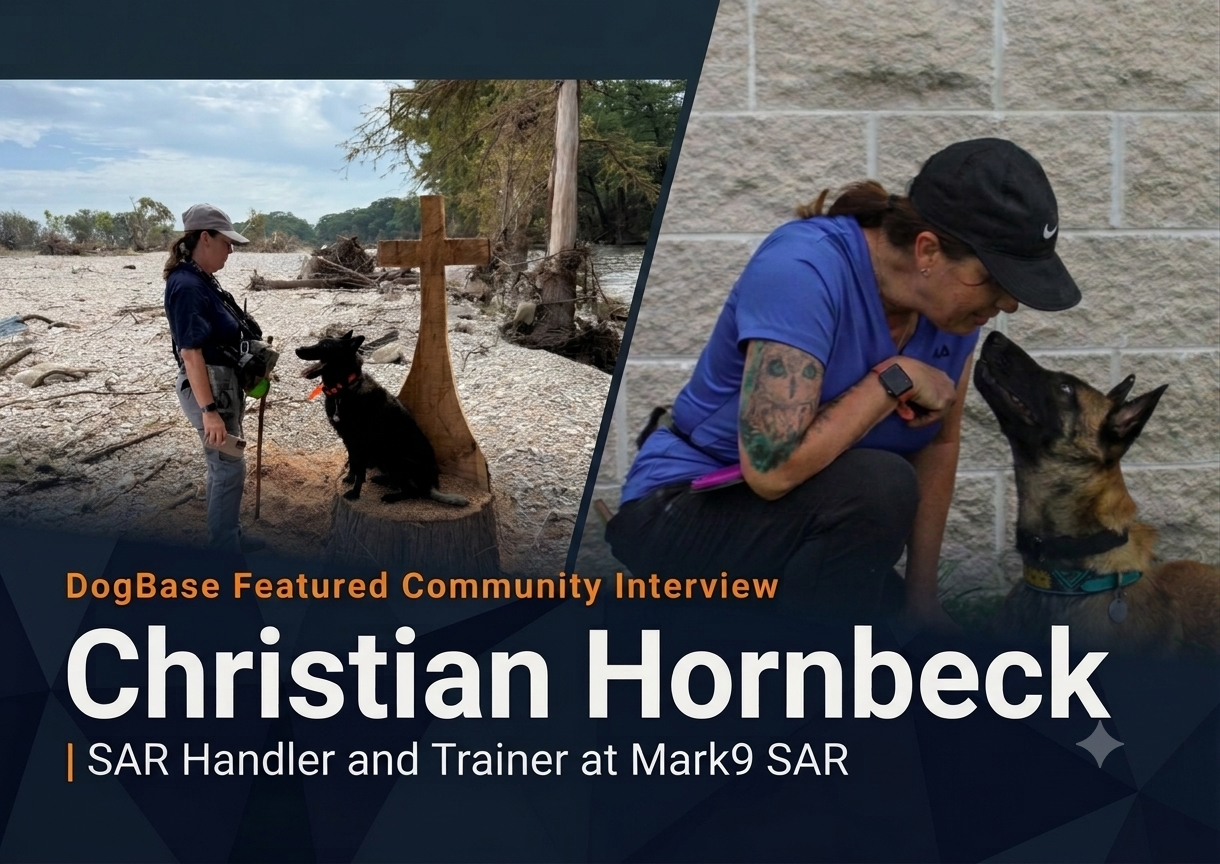
Q: How did you start working with K9s?
I've been involved around dogs and working environments for years. It really started when my grandpa, Lacy, decided I needed something to occupy my time and keep me out of trouble, which I was probably a little too good at finding for his comfort.
A woman in his church was a volunteer K9 handler for PANSAR, and since SAR groups are always looking for help, she agreed to take me on. It ended up being all of my favorite things combined: dogs, hiking, and the Texas Panhandle.
From there, I began studying trailing theory, scent dynamics, training structure, and doing whatever I could, whenever I could, to eventually become operational. Over time that developed into a much deeper focus on working dogs, trailing, detection, and building reliable dogs for real-world environments.
Q: What are some unique aspects of your K9 partner?
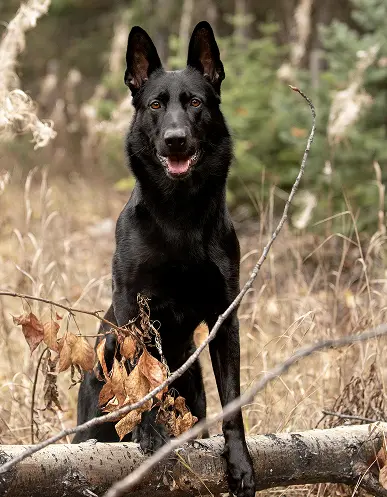
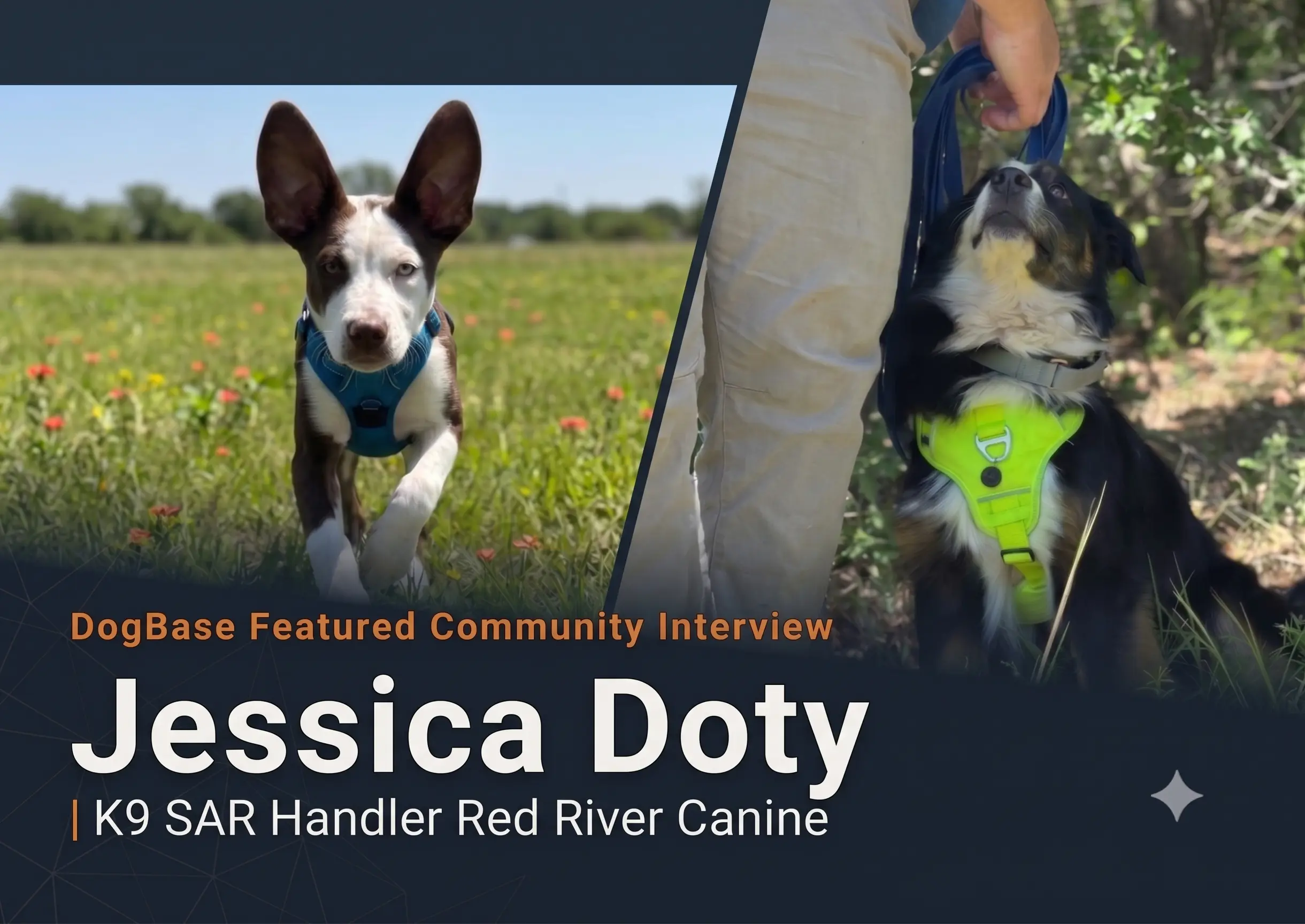
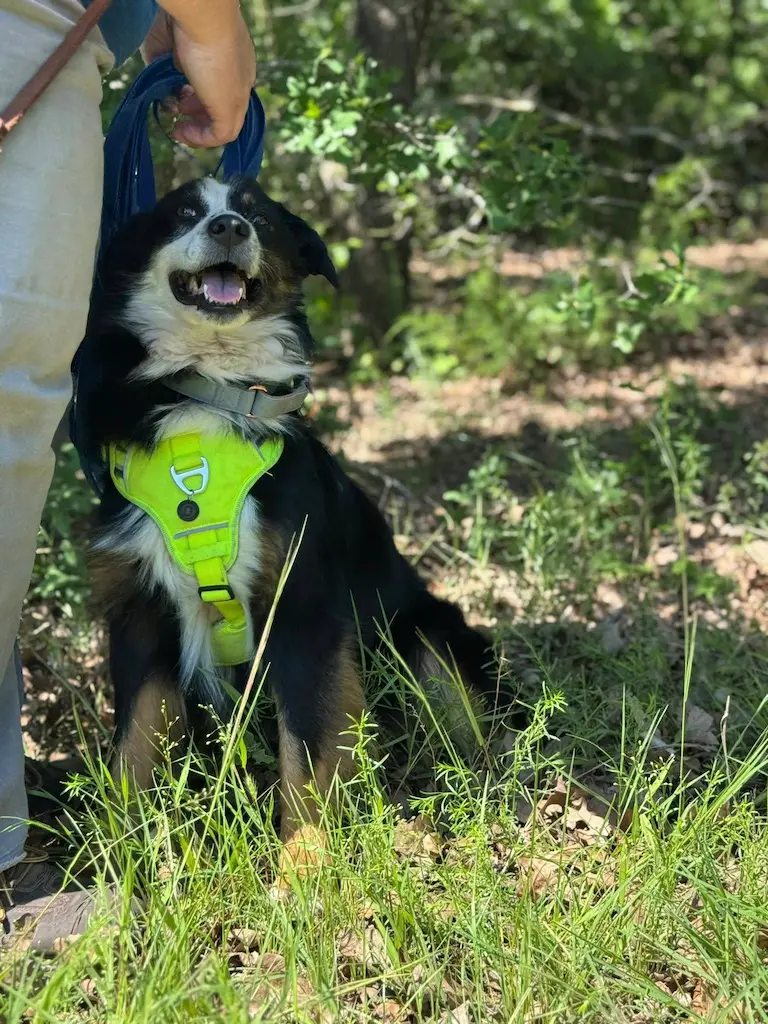
What makes my guys unique is not just their breed. Aussies and pit bulls (my main dog is an aussie x pit mix) are fairly unique in the detection dog and private security world, but it's their ability to be lived with off-duty while still being capable working dogs when it's time to work. We're no longer really in a time where working dogs are kenneled full time. In many places now, they go home and live with their handlers and families, so having dogs that are stable enough to live with day-to-day while still maintaining working capability is an important consideration.
What really stands out to me, though, is the way they think. Sometimes it feels almost like watching a computer process information and build a map of the environment before the dog ever fully commits to working the problem. You can almost see them sorting through scent, environmental changes, distractions, movement, what I am willing to do, and even potential dangers along the path in real time before deciding how they want to approach the problem and then executing their plan. And their plan may not look like your plan.
Having thoughtful, intelligent dogs to work with makes the process incredibly interesting and rewarding but also brings its own challenges.
Q: Can you share some challenges and triumphs?
One of the biggest challenges in working dogs is balancing ambition with patience. Everyone wants fast progress and the youngest dog being certified, but building a reliable operational dog takes consistency, structure, and time. Rushing young dogs just cuts into the amount of quality working time you may ultimately have with that dog. I struggle with this as much as anyone.
Environmental conditions in Texas can also create major challenges, especially the heat, wind shifts, wildlife, and rough terrain. You really have to stay focused on managing pace and time, search planning, conditioning, and understanding how the environment is affecting both the dog and the trail. We've also had encounters with everything from local meth addicts to curious mountain lions while training and working. Every training session is wildly different, even if it's the same location on the same day.
One of the most rewarding parts has been seeing dogs develop confidence and independence over time. Watching a dog work through a difficult scent problem, solve it on their own, and succeed is incredibly rewarding.
Another triumph has been continuing to build training standards, documentation practices, and long-term goals for the program while balancing volunteer emergency service responsibilities and everyday life. Every success we have is proof that you don't need to be perfect. You just need to be willing to show up and work hard.
Q: Describe the bond you share with your K9.
For me, a huge part of the bond is creating a partnership rather than an employee/employer or user/tool relationship. I love seeing them happy and succeeding as a team, and they love knowing that I am just as happy as they are. Knowing we worked together and took care of each other along the way just makes it more special.
Part of having intelligent, thoughtful dogs is accepting that they are active participants in problem solving. Dogs like that do not tolerate excessive handler interference very well. There is definitely an attitude sometimes of, "Well, if you know so much better, then why don't you do it yourself?" when that issue pops up. Since I still can't put my nose to the ground and figure out where something is or where someone went, it's a great reminder to check myself and take a step back because what we're doing is not working.
Listening to the judgment of my dogs has kept us from becoming kitty chow or walking off cliffs in the dark, given me extra time before encounters with aggressive or unstable individuals, helped me get back to my car after a fall where I hit my head, and even given me warnings before migraines or autoimmune flare-ups.
And it's not all work. A lot of our downtime is just spending time together and making sure they get to simply be dogs. I'll hang out at a coffee shop or outdoor dining with Twoey, or take Clifford out to hunt mice and rabbits in the field next door. We definitely have our "Netflix and chill" days too: a glass of wine for me, a bone for them, a good movie or a book, and everybody relaxing together.
Q: What does daily life and training look like for you and your K9?
Training is built into everyday life for us. Some days involve structured trailing sessions, scent work, obedience, environmental exposure, or problem-solving exercises. Other days are focused on fitness, recovery, confidence building, or simply maintaining engagement and motivation.
One of my favorite things is varying environments as much as possible because real deployments rarely happen under ideal conditions. I also like working on "pieces": high hides, low hides, inaccessible hides, multiples, blanks, old odor, fresh odor, and different environmental problems. It's kind of like a dog version of HIIT training. High intensity, high motivation, and short-duration sessions make up the bulk of our work, while big, long training days happen less frequently.
Right from day one, we train in parks, rural areas, urban environments, around distractions of all kinds, and during different weather conditions to help build dogs with solid foundations and adaptable problem-solving skills.
Because we have to balance school, kids, emergency services, and still find time for normal everyday life as actual people and dogs, combining multiple goals into a single training session becomes really important. A session may include environmental exposure, obedience work, confidence building, trailing, detection problems, or public access type training depending on the dog and the day.
Q: Tell us a little about the K9 unit you're a part of.
Red River Canine is focused on practical trailing and scent work and real-world problem solving. Our training philosophy emphasizes working as a team with dogs that can operate effectively and safely in chaotic or difficult environments instead of only controlled training scenarios.
A major part of our private security philosophy is being proactive, prepared, and using what we know about human behavior and the communities we work in to prevent incidents before they happen, or at least keep situations from escalating further than necessary. Our work in SAR complements this really well. It allows our dogs to become an early warning and locating tool that helps us know someone is there or that we're closing in, while also creating more time and opportunity for solutions other than immediately resorting to force.
Having SAR-trained dogs that aren't bite trained is not a disadvantage when used this way. They work very effectively in private security roles as a deterrent, early alert system, locator, and environmental awareness tool, creating more opportunity to maintain a lower overall level of force while still being effective in a security role.
It also helps preserve versatility and longevity in the dogs themselves. Rather than putting dogs into unnecessary physical confrontations, we can use them to improve awareness, tracking, locating, and human decision-making while still preserving their ability to work in SAR environments where bite-trained dogs are highly restricted. Preserving the dog while still accomplishing the mission is an important consideration.
Because we're a smaller program, we're able to place a strong emphasis on versatility, matching the dog to the job, continuing education, collaboration, and building solid foundations. That flexibility helps us focus on producing high-quality teams and individualized training in ways that can sometimes be more difficult for larger organizations that are often more volume focused.
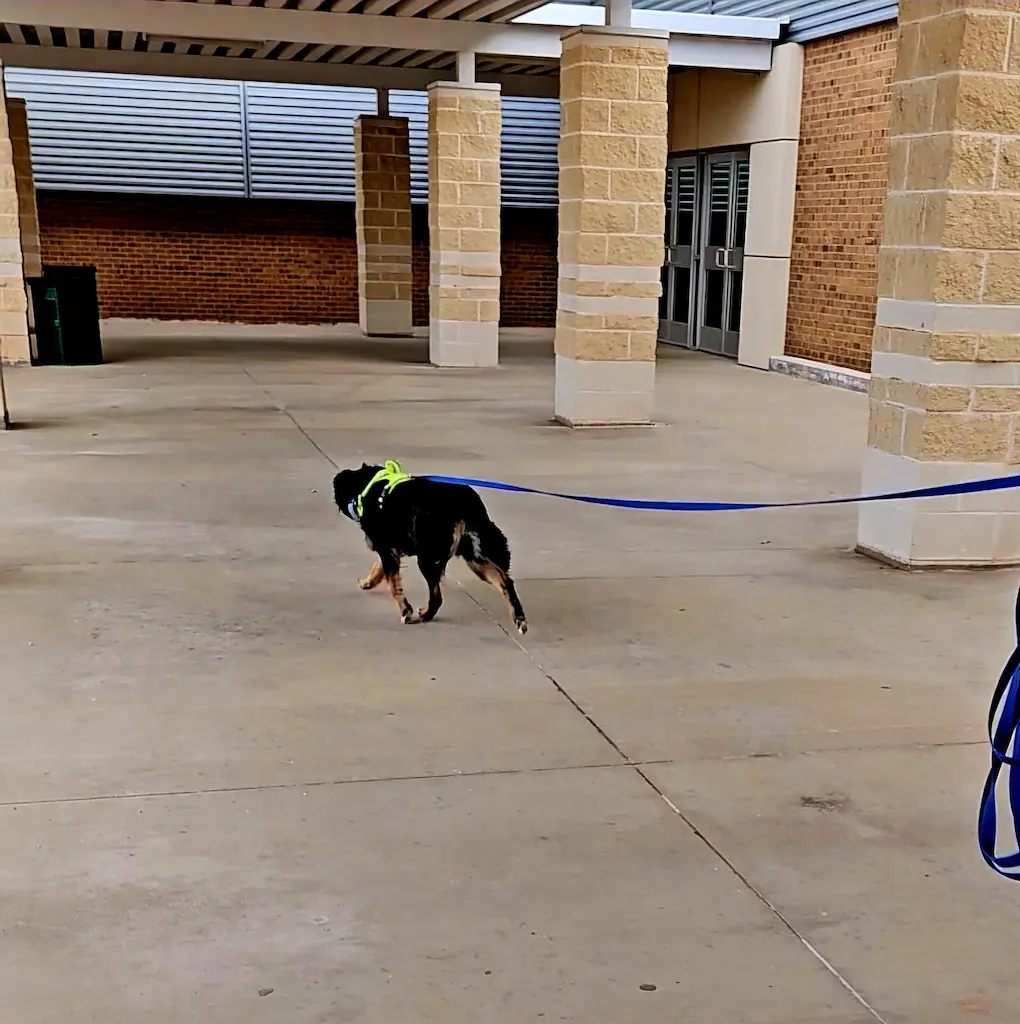
Q: Describe a recent mission or case where your K9 unit made a significant difference.
Detection and patrol work get the glory, but the most meaningful part of this work has been assisting with missing persons searches in our local community. Unfortunately, most of the last several people we helped locate had already passed away by the time they were found. Those are difficult outcomes for everyone involved, and they stay with you.
At the same time, being able to help bring someone home still matters. Families were able to recover their loved ones, lay them to rest properly, and finally have answers instead of continuing to wonder where they were or what happened to them. Closure may not erase the grief, but it's still important.
We did have one search on a Christmas Eve where the missing person was found alive. We weren't the team that ultimately made the find, and honestly it wasn't our best operational performance, but it was still a privilege to be called and given the opportunity to help. That experience reinforced for me that SAR is about the community coming together and doing whatever it can to bring someone home safely. Who makes the find matters a lot less than the fact that the find was made.
Almost every SAR deployment I've been involved with over the last several years has involved addiction, mental illness, or both. We don't intentionally train HRD. I like to joke that we do "freshly dead only if we have to and gooey dead not at all," so the one major outlier was a deployment where I served as a foot searcher during a disaster recovery operation.
Q: What are some of the biggest challenges faced by K9 units in your field?
One of the biggest challenges is maintaining consistent, high-quality training while balancing limited time, funding, and resources. Smaller programs, private security companies, and volunteer organizations often have to build capability without the resource advantages larger, governmental agencies have.
Another challenge is maintaining objective standards and documentation. Working dogs operate in environments where reliability matters, so tracking training, operational exposure, maintenance training, and progression is extremely important. There's a temptation for people to always show perfect training and linear progression, and we need to be able to recognize that for the dishonesty or bias that it shows. No one is going to have a perfect training session every day they train. Honesty in documentation is what allows teams to identify weaknesses, improve, and maintain credibility.
Environmental factors also create major challenges in detection, trailing, and search work. Weather, terrain, contamination, population density, and time delay all affect outcomes. We really need families or LE to call on K9 teams as soon as possible rather than waiting, and we need handlers, planners, and clients to recognize that dogs are living things with biological limits and needs. They're incredible tools and partners, but they're still affected by heat, fatigue, stress, hydration, injury risk, and environmental conditions just like humans are.
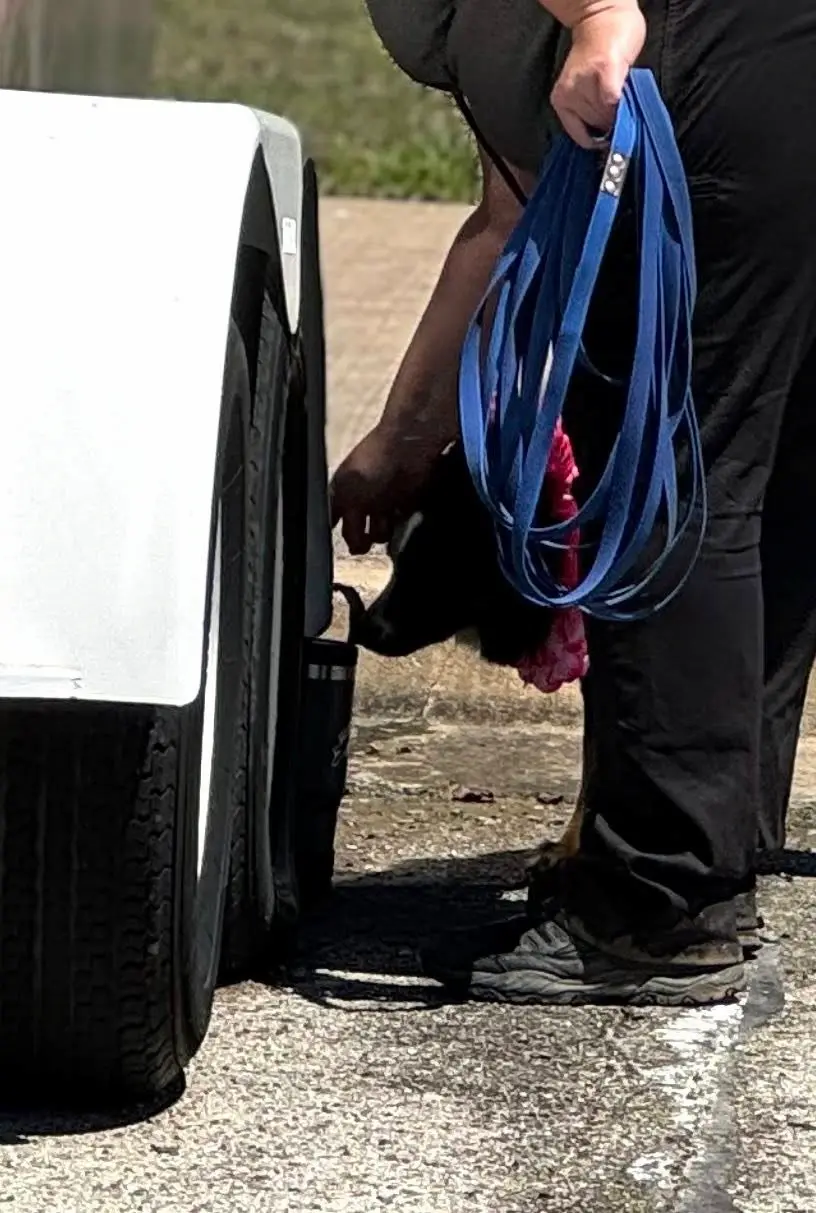
Q: What advice would you give to aspiring K9 handlers?
Be patient and stay humble. Working dogs will constantly teach you that there's always more to learn. Rushing the process or the dog is a guarantee for future problems and failure.
Focus on building strong foundations instead of chasing titles or shortcuts. Learn how to read your dog, study scent theory and behavior, and spend time training in real environments instead of only controlled setups.
Find good mentors and have several, document your training honestly, and don't be afraid of difficult problems or even outright failures. Some of the best learning comes from mistakes and challenging training days. Having a day with a subpar performance is embarrassing, but it's temporary. Everyone is going to have that day at least once.
Most importantly, remember that the dog is your partner, not just a tool, and that the most important thing you can do is to be honest, kind, and show up willing to work hard.
Q: How can the public support K9 units and their important work?
Community support is extremely important, especially for volunteer and smaller programs.
Besides donations to volunteer fire departments or SAR organizations, people can help by supporting training opportunities, volunteering as role players or trail layers, donating equipment or resources, attending demonstrations, and helping educate others about the value of working dogs in public safety and search operations.
Even simple support and community engagement can make a major difference for programs trying to build capability and continue training.
Q: How did you discover DogBase?
I discovered DogBase while looking for better ways to organize training records, track progression, and maintain more professional documentation for working dog development.
Q: How has DogBase impacted your work with your K9/unit?
DogBase has helped create a more organized and professional approach to documentation and long-term training management.
Being able to track training sessions, progression, operational readiness, and trends over time makes it much easier to identify strengths, weaknesses, and areas that need additional work without handler or trainer bias.
It's also helped reinforce accountability and consistency within training by keeping records centralized and easy to review. I still have paper records and video recordings saved, but they operate as a backup now.
Q: What are your favorite features of DogBase?
The AI integration. It's like getting a second opinion, and it helps me "professionalize" the writing.
Q: What suggestions do you have for future development of the platform?
The AI integration is my favorite part, but it needs continued development. The ability to use DogBase to build individual conditioning and fitness programs or suggested training timelines would be nice, too. I'd love to see it link to my phone or GoPro and automatically upload video footage or trailing routes.