




.webp)
.webp)

.webp)


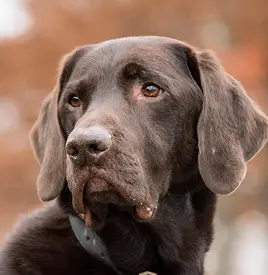
I came to Oriskany to give a talk. I didn't expect to end up on rubble with Echo.
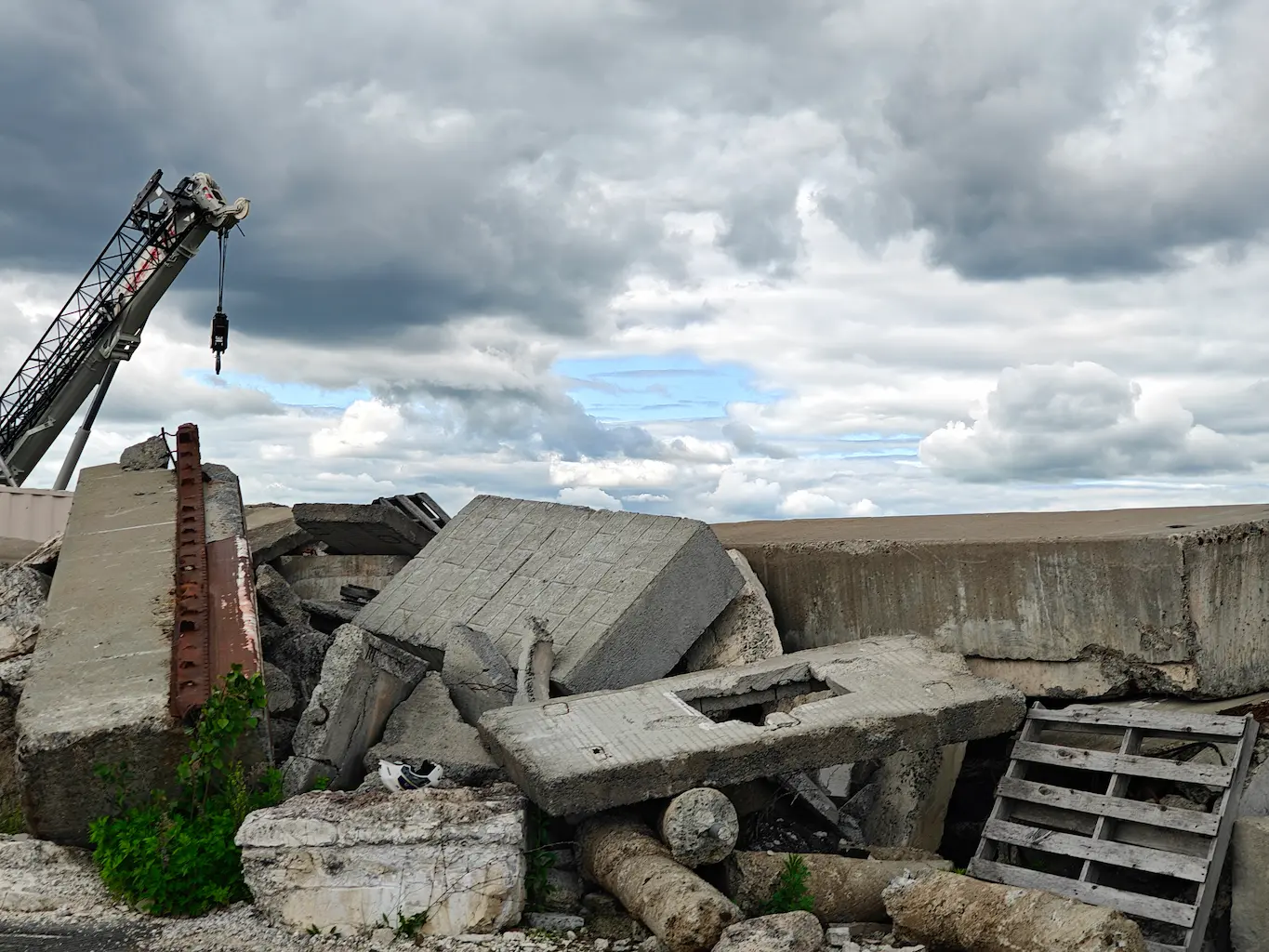
The New York State Fire & Rescue K9 unit was training at the facility's dedicated rubble site — a full collapse terrain built specifically for structural search work — and they offered to bring us in. No prior plan, no coordination. Just an invitation extended between sessions, and an hour that turned into one of the more honest training experiences I've had in a while.
Working alongside that team, on real collapse terrain, with dogs and handlers who do this at a serious level — that's not something you get from a conference agenda. Echo pushed hard. The NY K9 team was precise, generous with their time, and exactly the kind of people this work attracts. I'm grateful they opened that door.
A big thank you to the New York State Fire & Rescue K9 unit. That session mattered.
Then came the hallway.
During the leadership track, someone I'd just met at the conference connected me with a group of K9 handlers from the Oneida County Sheriff's Office. No stage. No slides. Just the platform open on a laptop, a handful of handlers leaning in, and questions that started coming fast.
Who's due for recertification? Where does our training data actually go? Can we prove readiness if someone asks?
These aren't technology questions. They're operational questions that every K9 supervisor eventually has to answer — usually under pressure, usually without a clean record to pull from. Within a few minutes of showing them DogBase, they weren't asking what it did. They were asking how quickly they could get started.
That's the kind of conversation that reminds you why you built something.
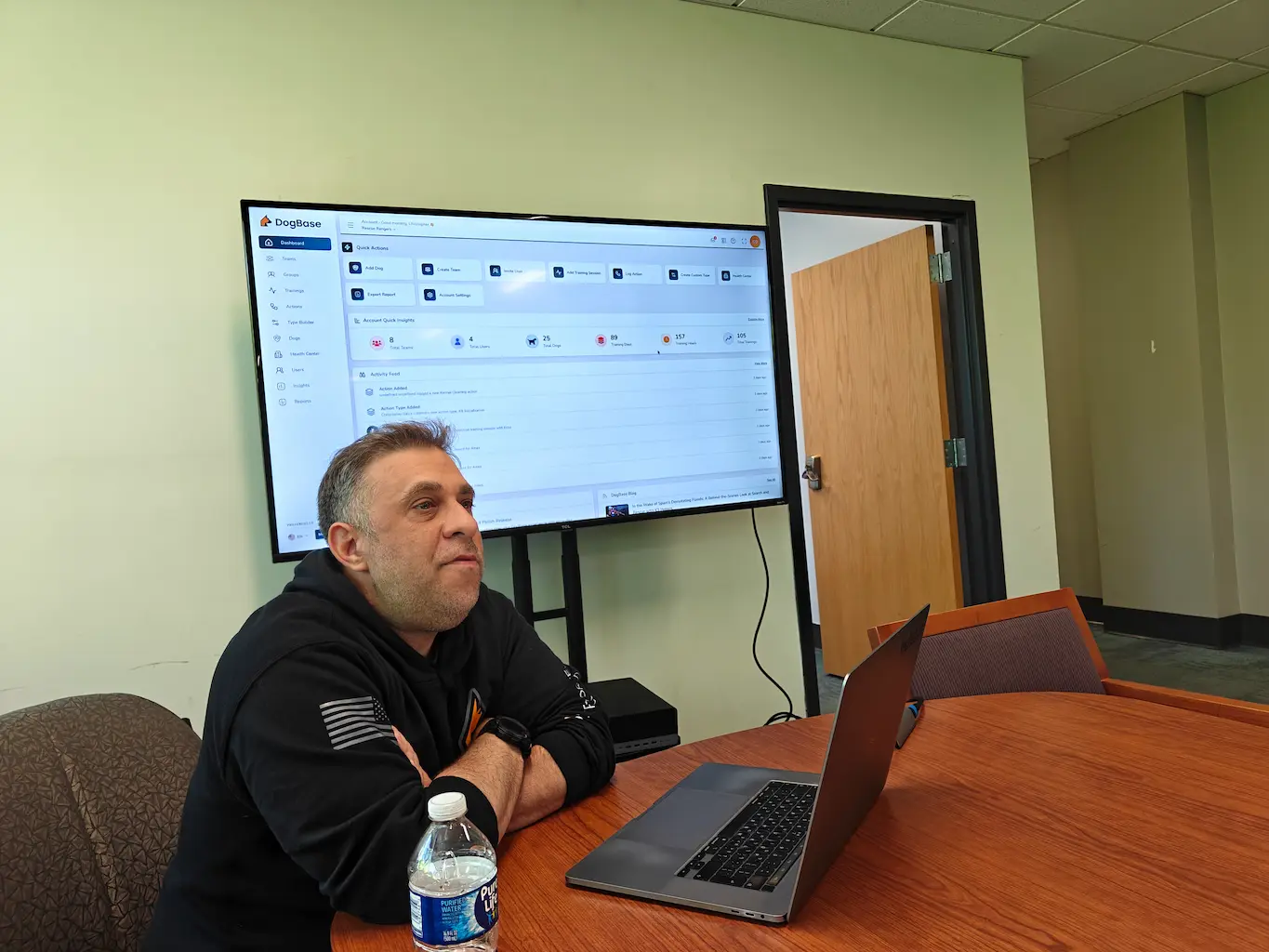
That wasn't the only unplanned conversation. Patrick Halloran from the RescueLab Podcast sat down with us between sessions — a quick interview on AI in SAR operations, data sovereignty, and what it actually looks like to build technology that works for the field, not against it.
The Conference
The 2026 Technical Rescue Conference, organized by New York State's Division of Homeland Security and Emergency Services (DHSES), runs every year at the State Preparedness Training Center in Oriskany, NY. It draws New York State fire and rescue professionals — rope teams, swift water, structural collapse, USAR, K9 — for several days of workshops, hands-on training, and sessions from practitioners who operate at a high level.
It's not a vendor conference. It's a working conference. The people in the room are there to get better at keeping people alive, and the bar for what earns their attention is high.
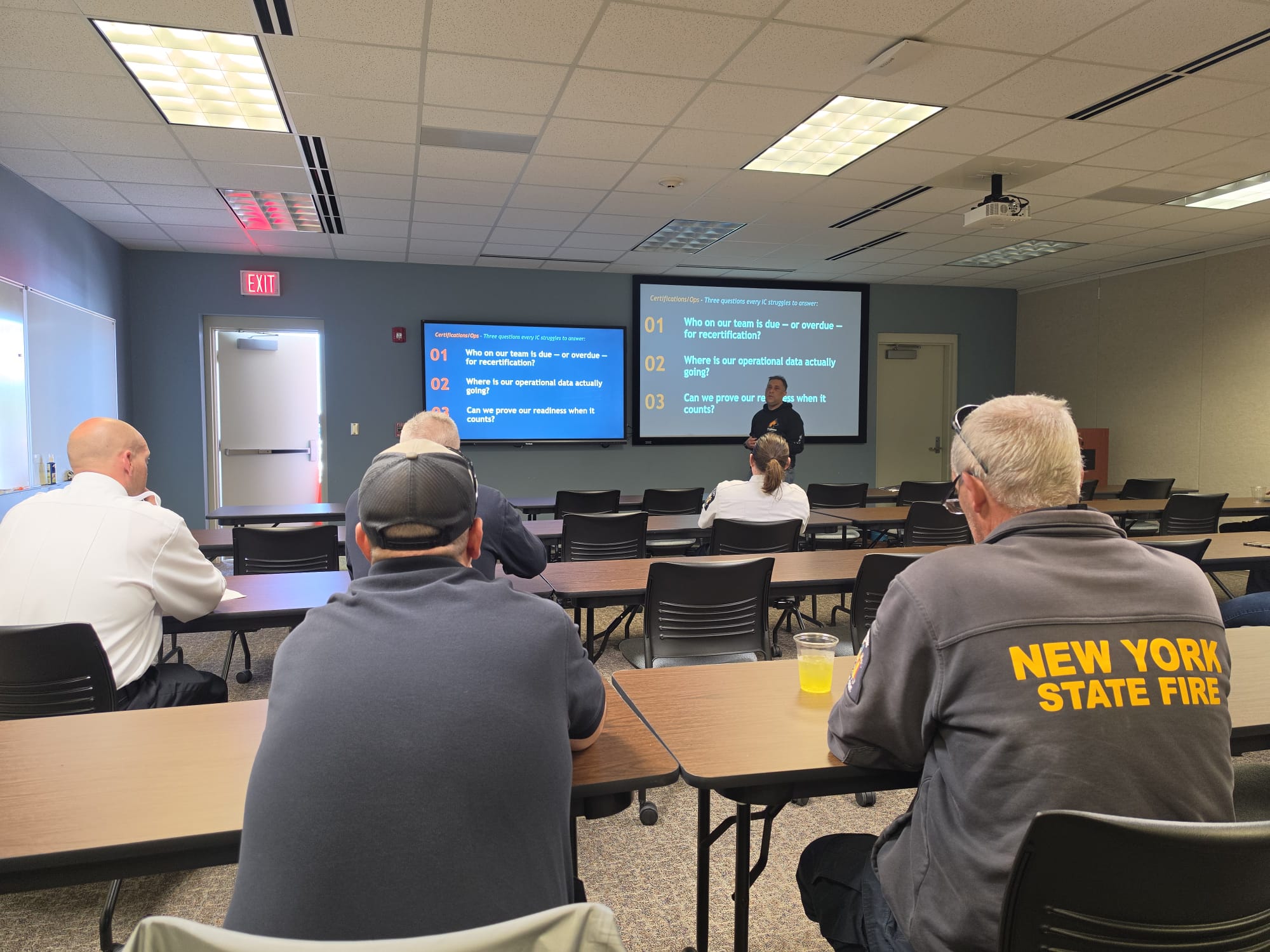
I was invited to present "How Data & AI Are Reshaping K9 Search and Rescue Operations" — a session built around a question I hear constantly in the SAR community: we know data matters, so why does our documentation still look like it did twenty years ago?
The Facility
The State Preparedness Training Center is worth describing on its own terms.
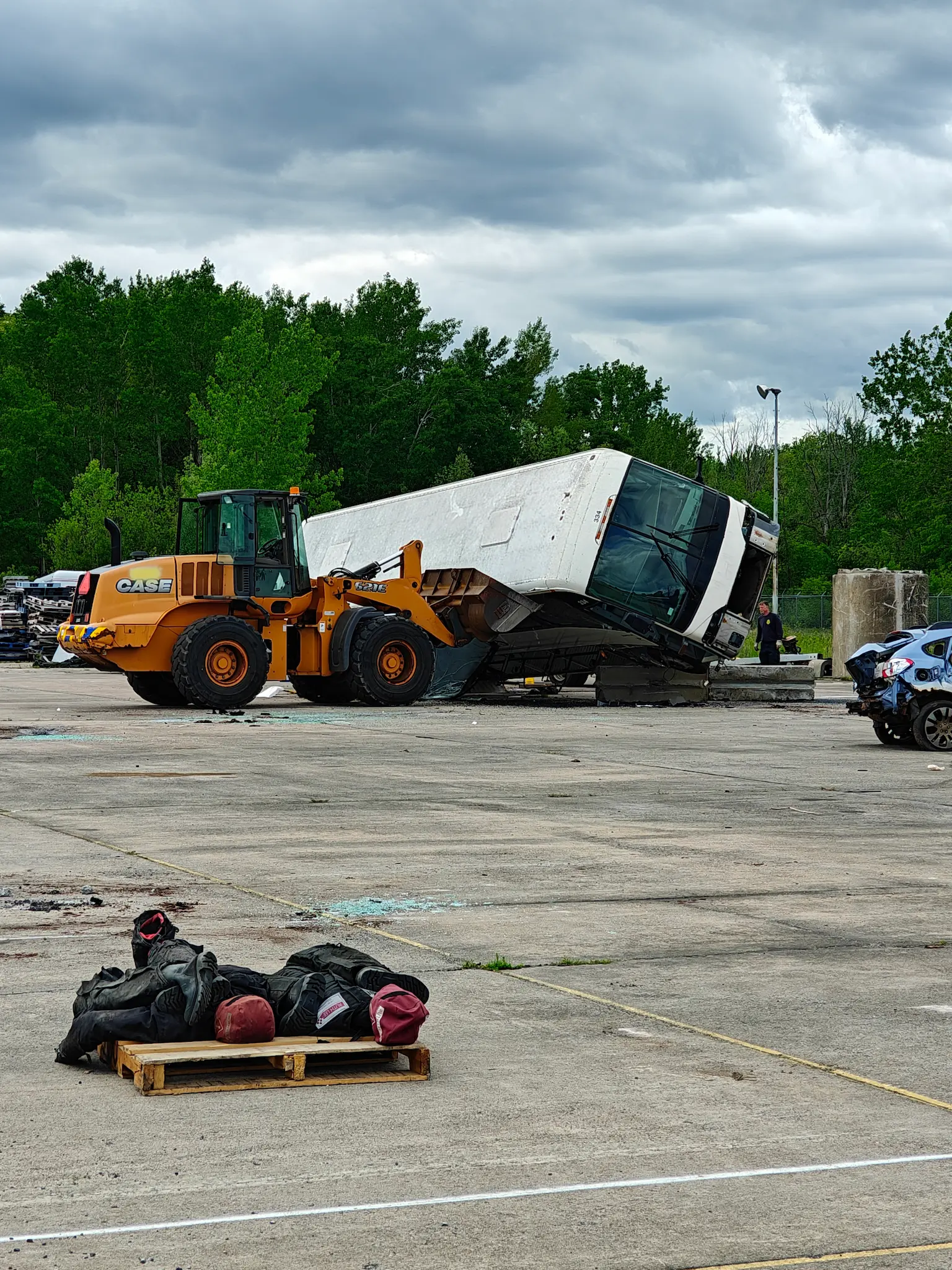
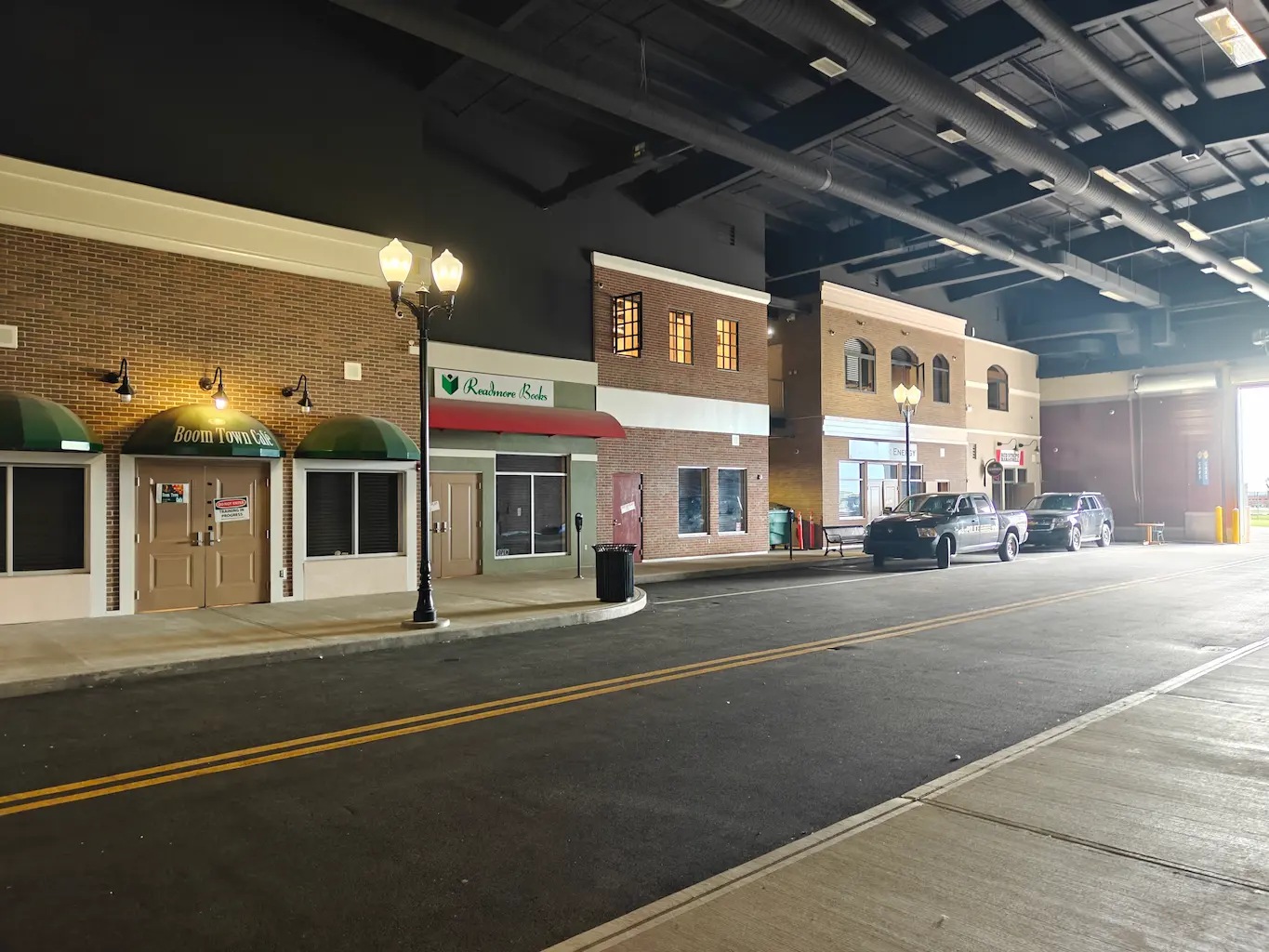
The swift water training area is the kind of infrastructure most departments will never build themselves — purpose-built moving water conditions for a single, high-stakes rescue scenario. There's a dedicated rubble site for structural collapse and K9 search work — which is where the NY K9 team brought Echo and me in. A full training town with constructed streets and buildings for urban search and disaster scenario drills. A vehicle rescue area. Rope rescue facilities.
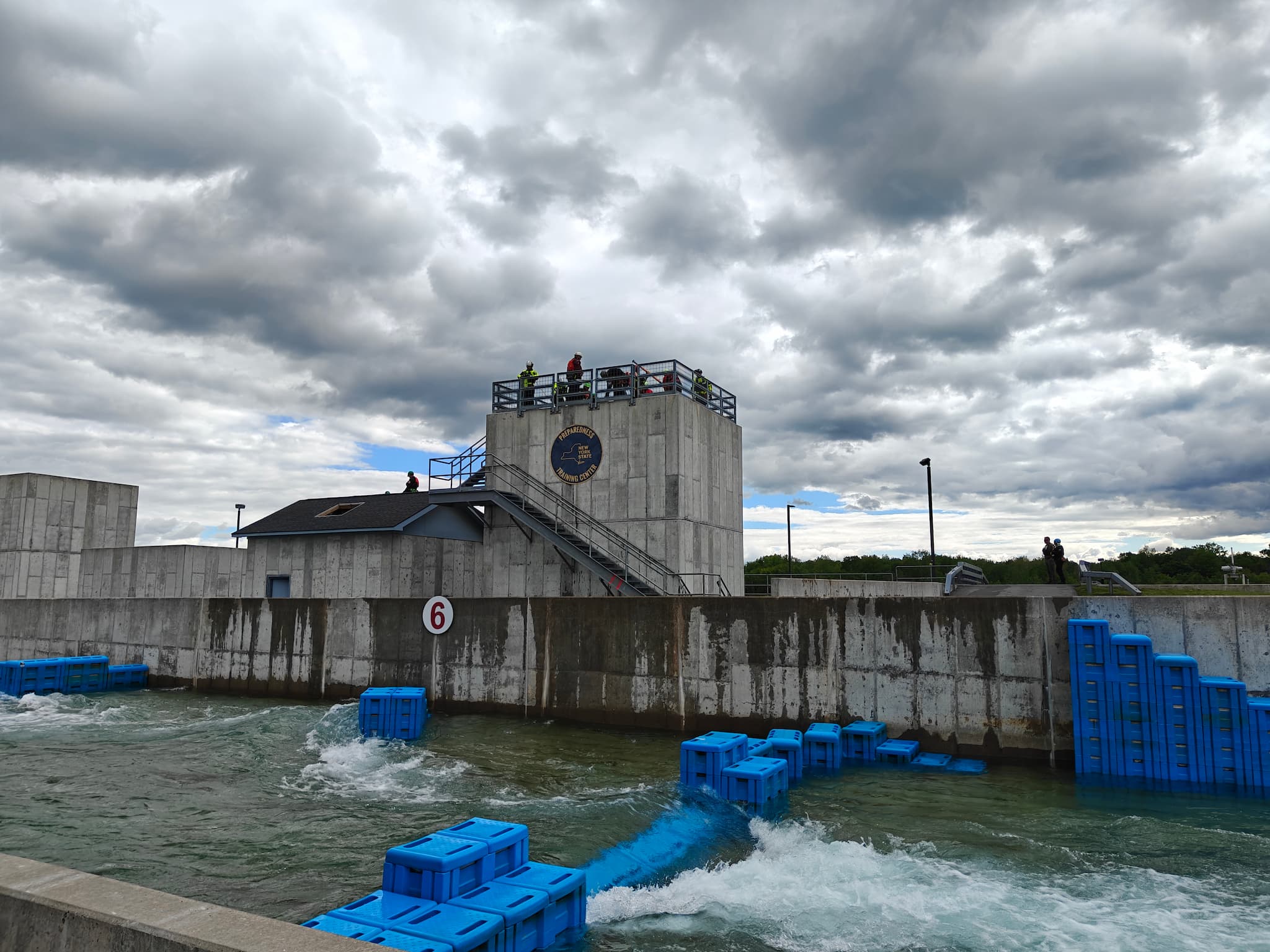
It's a complete operational training environment, not a conference venue that happens to have a parking lot. Walking through it tells you something about how seriously NYS approaches rescue readiness as an institutional commitment — and being invited to actually work in it, not just observe, is a different experience entirely.
Getting a walkthrough of a facility like that, and then getting to actually work in it, are two very different things. The second one doesn't happen without people willing to open the door.
The Session
The core argument I made: the SAR community isn't short on dedication or operational skill. What it's often short on is structured data — and the absence of that data creates blind spots that affect training quality, deployment decisions, and team accountability in ways that are hard to see until something goes wrong.
The questions from the room confirmed it. The issues aren't abstract. Handlers and supervisors are managing certification cycles, tracking readiness across multiple dogs and handlers, and trying to demonstrate program value to leadership — often with tools that weren't designed for any of it.
What struck me wasn't the gap. I already knew the gap existed. What struck me was how clearly people could articulate what was missing the moment you gave them a framework to describe it. The room wasn't resistant to better tools. It was waiting for the right ones.
Sessions That Stayed With Me
A few sessions from the program were worth noting — not because they were adjacent to what DogBase does, but because they were genuinely good.
Raz Goldfarb — "From Earthquake to Battlefield: Operational Challenges in Structural Collapse Rescue"Raz brought an operational lens to structural collapse that you don't often hear in domestic rescue contexts. The crossover between international disaster response and everyday rescue team readiness is real, and he articulated it well.
Ed Tracey & Pete Conover — "A Tale of Two Cities: Responses to House Explosion Incidents"Two incidents. Two very different outcomes. The kind of case study format that makes the operational lessons impossible to forget.
Patrick Halloran — "Rebuilding RES1CUE: How We Built a Special Ops Company That Works"This was a leadership session that landed. Building a high-functioning rescue organization isn't just about training — it's about culture, structure, and the decisions you make when things are hard. Worth hearing from someone who'd done it.
Aaron Collette, Michael Cannon, Francis Aumand — "Mission Impossible to Mission Accomplished: VT-TF1 Response to Hurricane Helene"This was the standout of the conference for me. The VT-TF1 team walked through their Hurricane Helene response in detail — decisions made under real uncertainty, with real consequences. The gap between what they planned and what they faced, and how they adapted in real time, is the kind of operational story that should be required listening for anyone running a rescue program.
What I Took Away
TechRescue isn't a K9 conference. It's a technical rescue conference where K9 is one discipline among many. But the questions K9 teams are asking about data, readiness, and accountability are the same questions the rope teams, the swift water teams, and the USAR teams are asking.
The tools haven't kept up with what these teams actually need. That's starting to change — and the conversations happening in hallways at events like this are part of how it does.
Thanks to DHSES, to Joshua Mennig and Wesley Sorg for the invitation and the program they put together, and to everyone who made time to talk — especially the Oneida County Sheriff's Office K9 team.
And to Echo, for being the best co-presenter I've ever had.